Our Story
A Rich Heritage and an Even Brighter Future
With hundreds of years of rich history, we have a legacy of premium craftsmanship and an even brighter future
For generations, Sazerac has been shaped by an entrepreneurial spirit, a drive for growth, and an enduring determination to keep moving forward.
Our story is rooted in Cognac in France and led to the creation and popularity of coffee houses and bars in New Orleans, where the Sazerac Cocktail was born. The spirit of innovation and entrepreneurship ultimately grew to the Sazerac Company we are today. But our legacy is only the beginning.
Today, Sazerac is a premier global spirits company built around iconic brands, passionate team members, care for the communities we live in, and an unwavering commitment to growth. We’re proud of the heritage of premium craftsmanship, and even more excited about where we’re going next.
1630s to 1800
Cognac Region of France
Our French Origins
Since its origins in the Cognac region of western France, the Sazerac family name has earned recognition and respect in the spirits industry.
1630s
The Sazerac Family Establishes a vineyard and distillery to make Eaux De Vie in the Cognac region.
1713
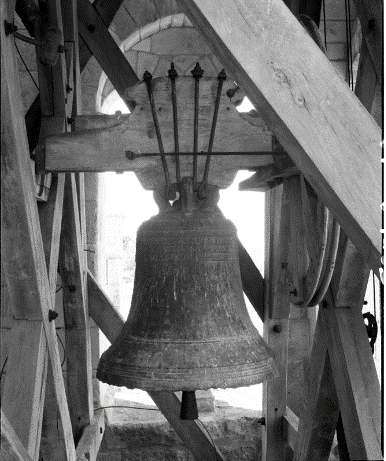
Louis Sazerac de Roches makes the bells at the family’s foundry.
1779
Louis Sazerac produces cannons to help America during The American Revolution under the direction of Benjamin Franklin.
1781
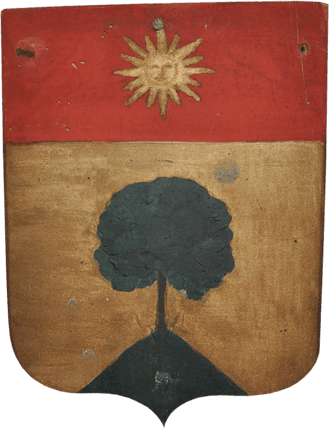
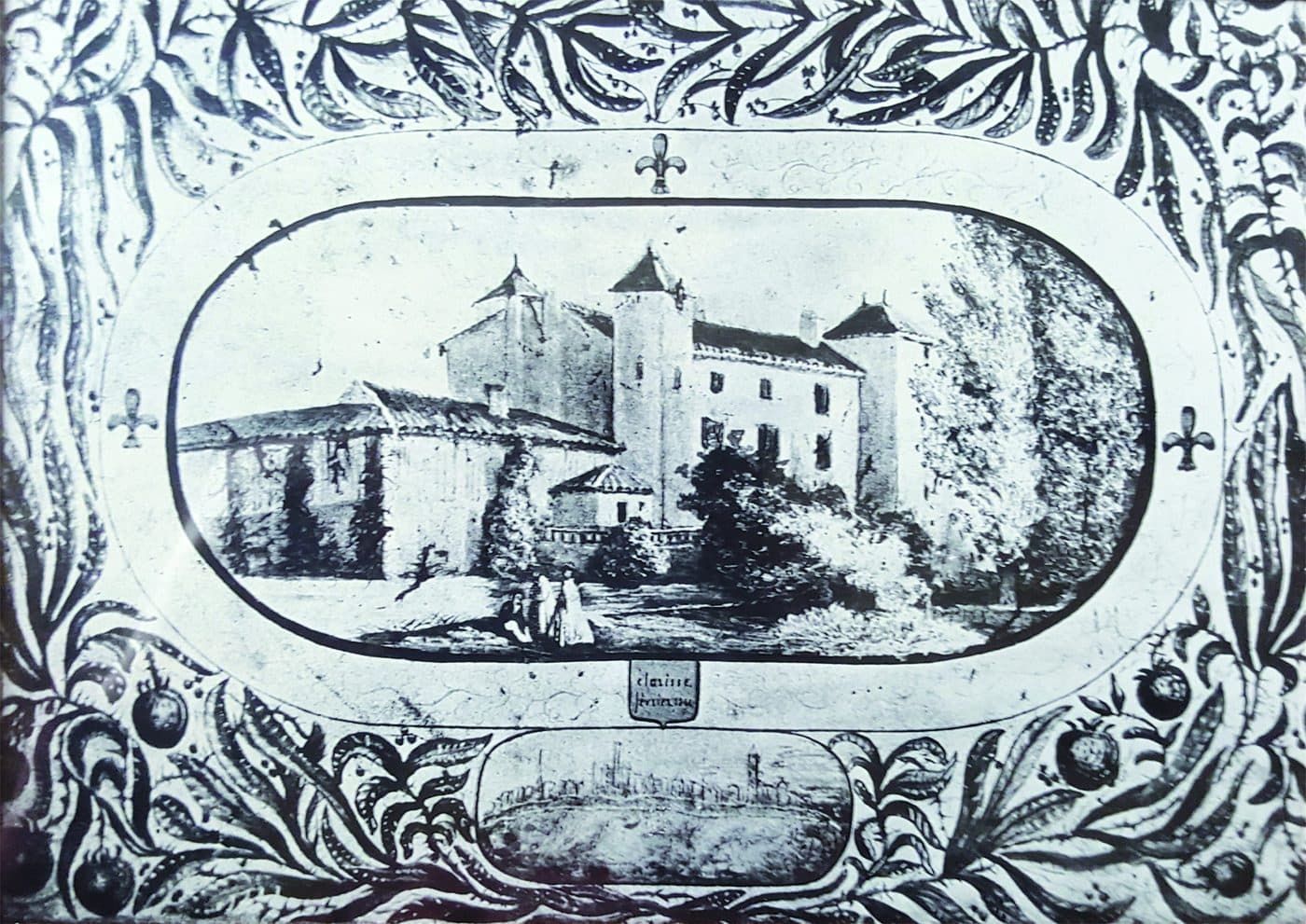
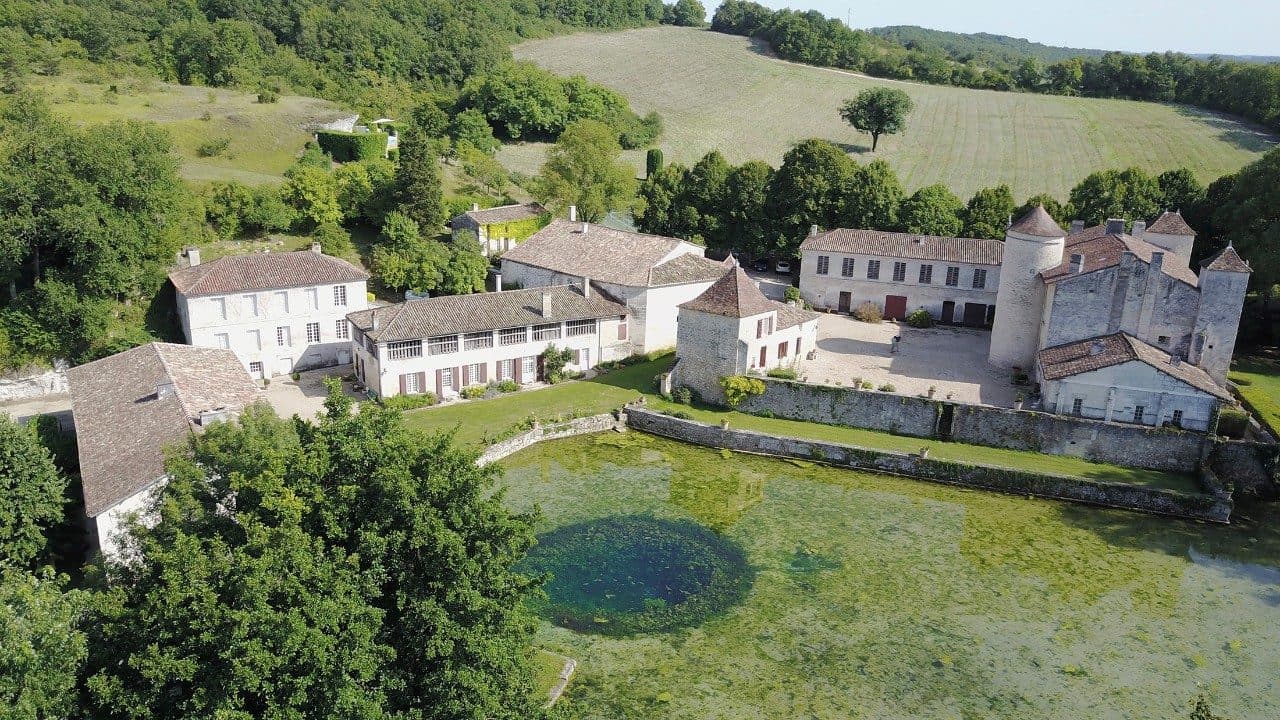
Bernard Sazerac buys Logis de Forge, an estate with extensive vineyards, and assumes the name Bernard Sazerac De Forge.
1782
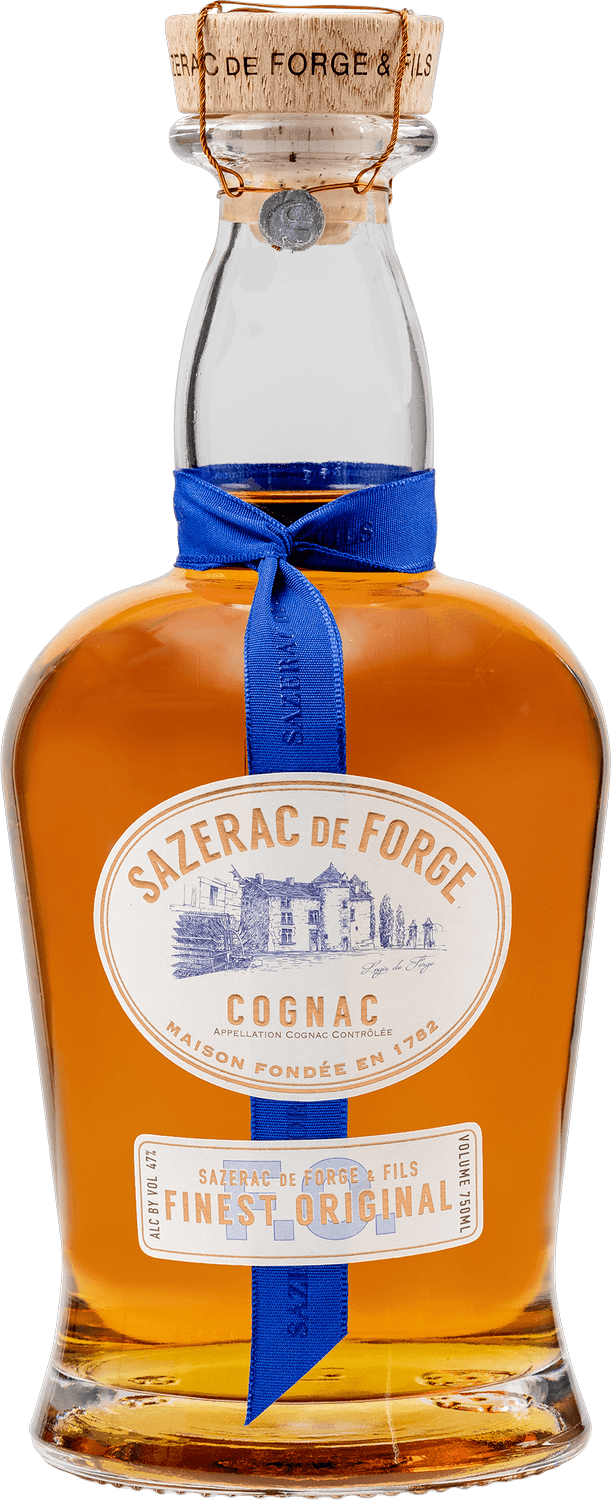
Bernard begins making Sazerac Cognac, warehousing the aging barrels in Angouleme.
1791
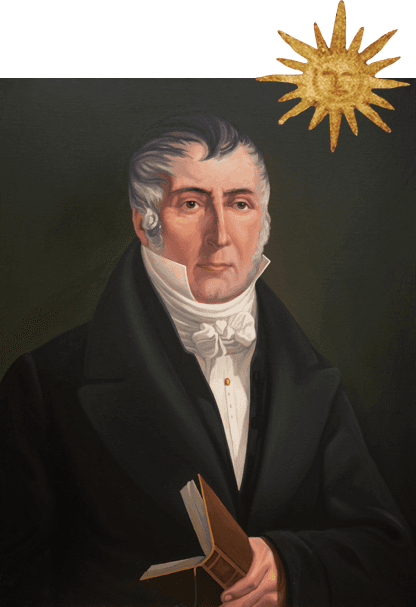
Bernard Sazerac De Forge dies, passing control of his ventures and property to his son Laurent Sazerac De Forge.
1800 to 1850
New Orleans
Sazerac Arrives in the Big Easy
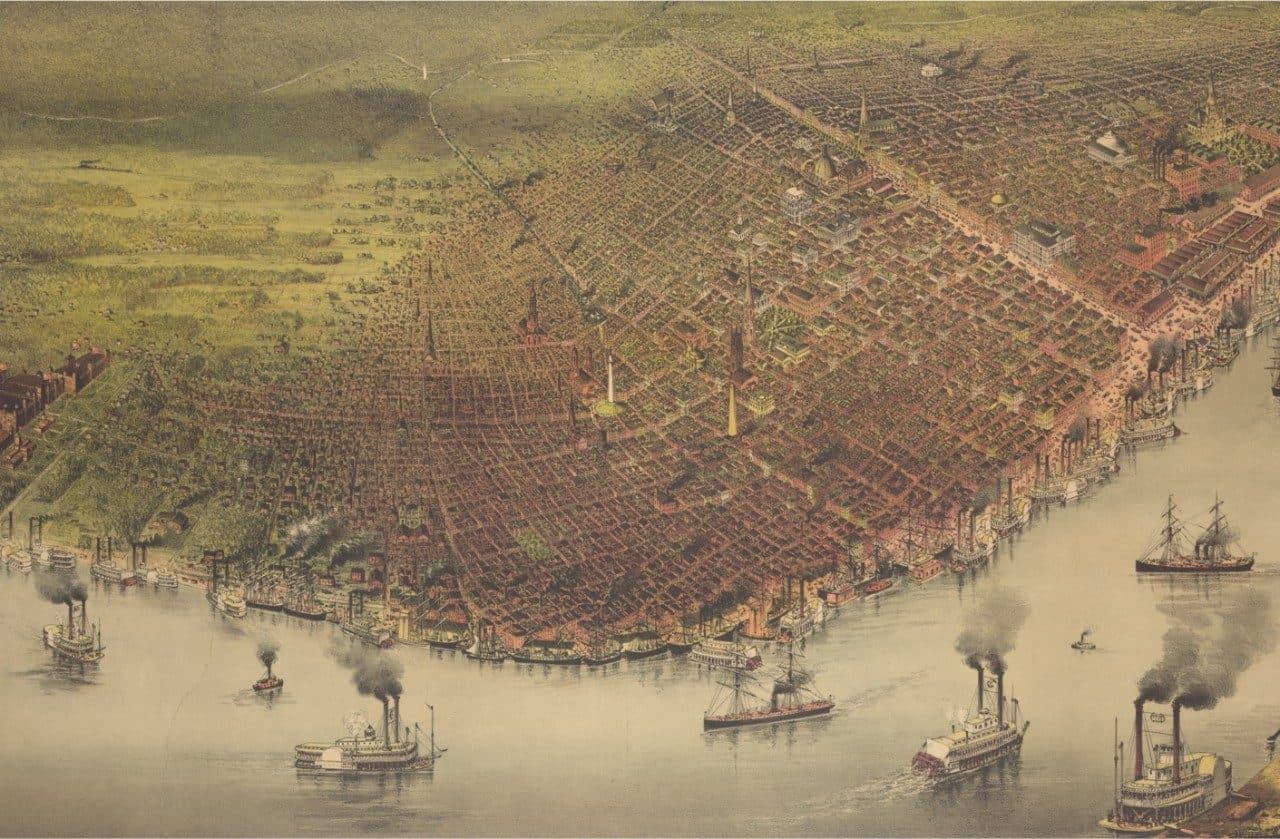
Sazerac De Forge Et Fils Cognac lands in New Orleans and soon becomes a popular local drink, in turn leading to various iterations of the Sazerac House. Their locations in historic New Orleans, and their famous proprietors and patrons, all played a major role in the development of the wholesale liquor business that later evolved into the thriving company that Sazerac has become today. The namesake brand, Sazerac de Forge et Fils was the original spirit used in the Sazerac Cocktail and by the mid-19th century became a natural choice for the name of the original Sazerac coffee house.
1834
Antoine Peychaud (1803-1883) establishes his own apothecary at 123 Royal Street in New Orleans (known as 437 Royal Street today), where he sells “the best bitters, peppermint and alcohol” to local coffee houses for use in their cocktails.
1836
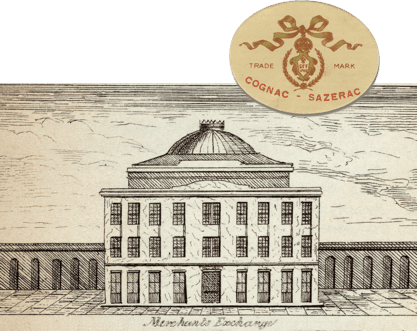
The Merchants Exchange is completed at 26 Royal Street, New Orleans. The grand gathering place for the city’s merchants houses rooms for meetings, a great rotunda for auctions, a reading room, post office and a coffee house and bar.
1838
Sewell Taylor (1812-1861) arrives in New Orleans from Pensacola, Florida, and begins working as a barkeeper at a coffee house in the Merchants Exchange.
1839
The first known ad for Sazerac de Forge et Fils Cognac in the U.S. appears in Philadelphia’s National Gazette. For many years Sazerac and other Cognacs were advertised as brandies.

1845
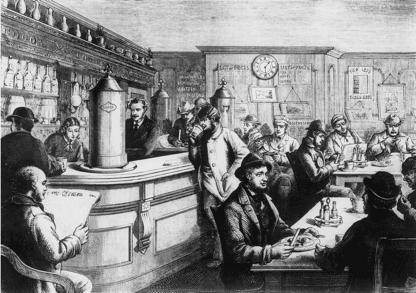
Sewell Taylor obtains a five-year lease to run the Merchants Exchange Coffee House.
1849
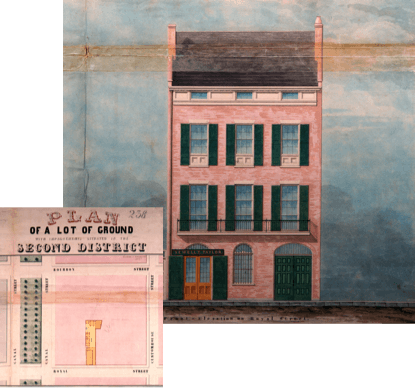
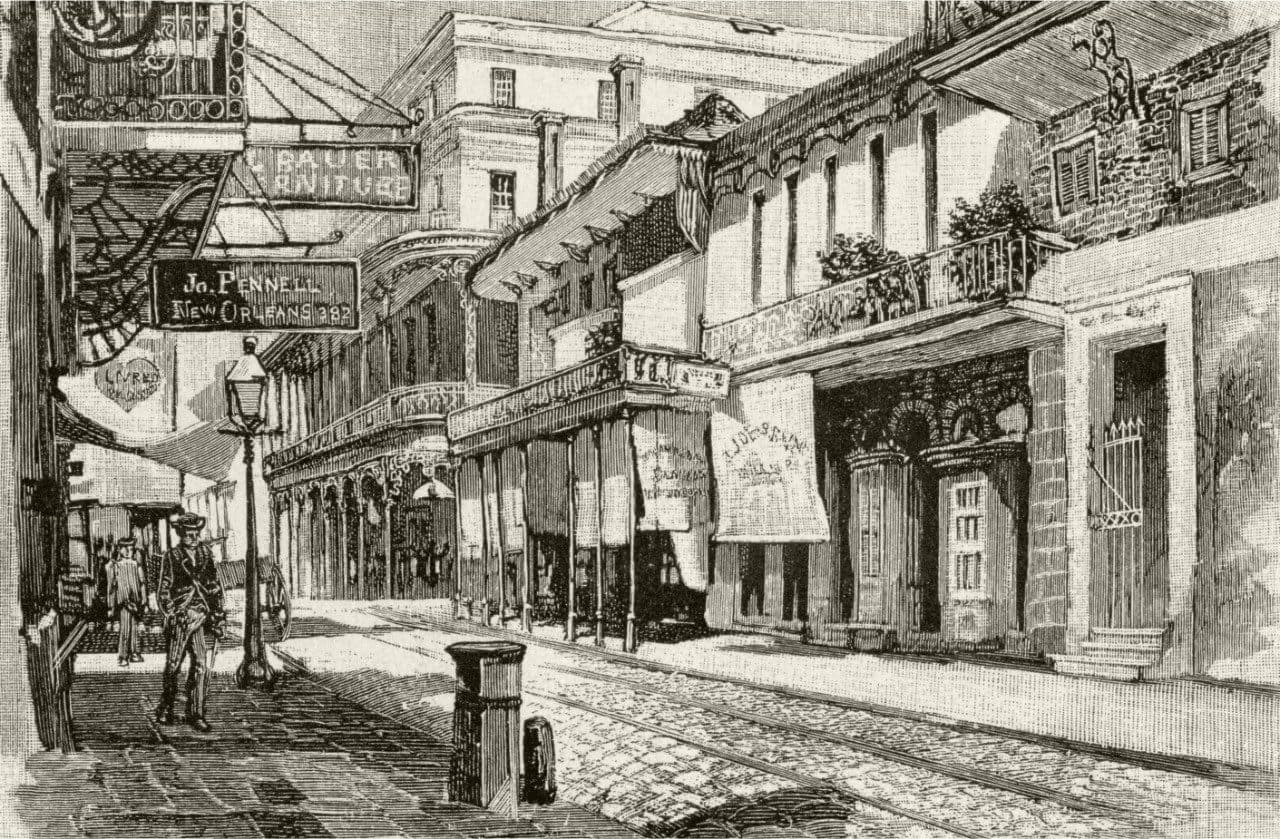
Sewell Taylor’s coffee house lease is not renewed at the Merchants Exchange. He establishes a wholesale and retail liquor business nearby on Royal Street where he began to promote Sazerac de Forge est Fils brandy exclusively.
1850 to 1900
New Orleans
Sazerac Continues to Grow and Prosper
1852
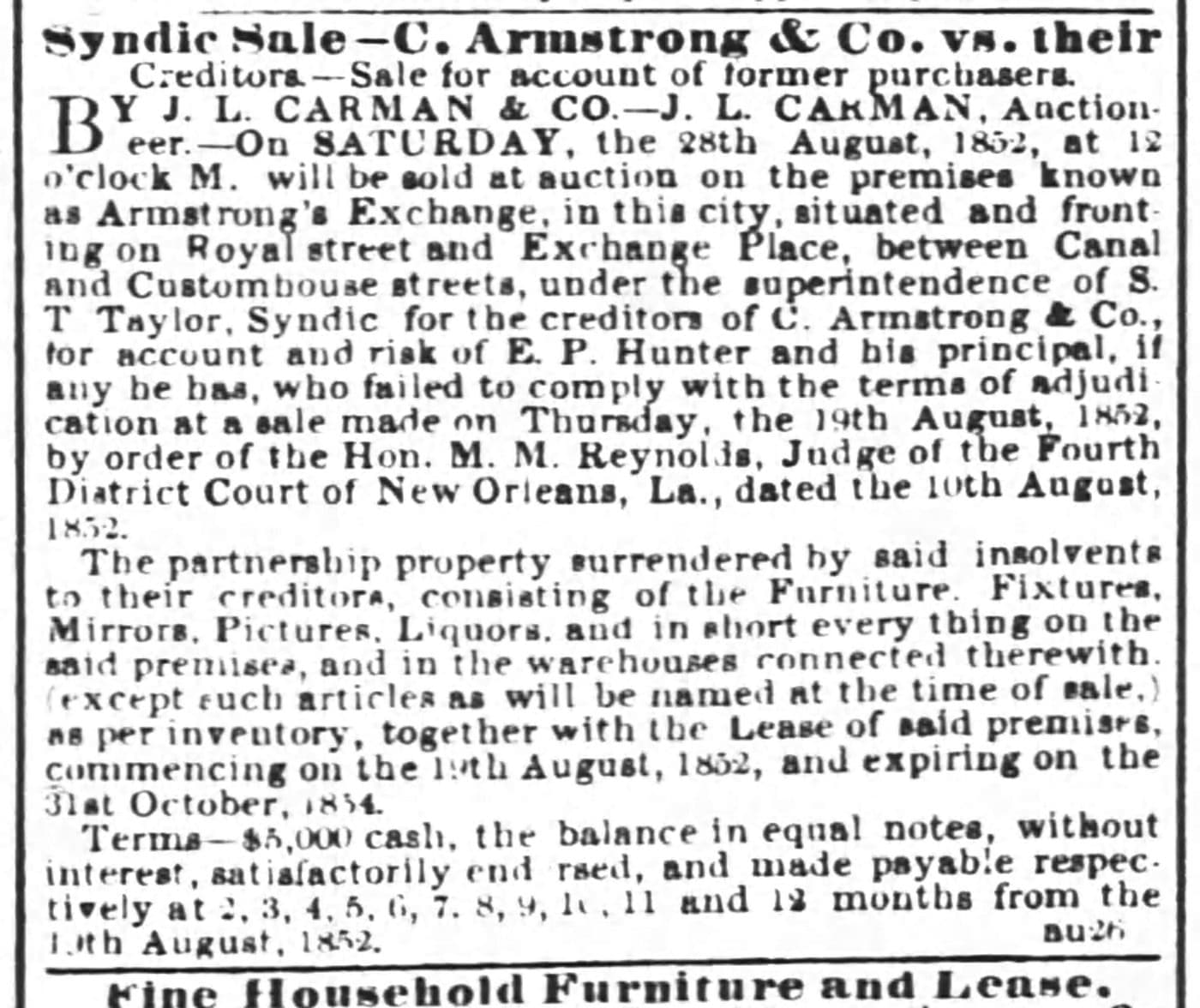
The Sazerac House, a coffee house located next to the Merchants Exchange, and its proprietor, Aaron Bird (1793-1864) are first mentioned in the local press. There are many indications that Sewell Taylor was the financial backer or perhaps the actual owner of the Sazerac House. This ad shows that he was the legal representative, the “Syndic” for the creditors of the bankrupt Armstrong’s which became the Sazerac House shortly after.
1857
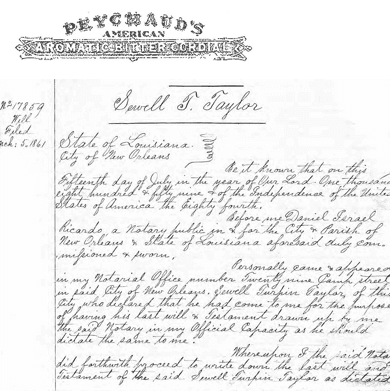
Peychaud advertises “American Aromatic Bitter Cordial” for the first time, also announcing his bitters have been introduced into use at the Sazerac House.
1860
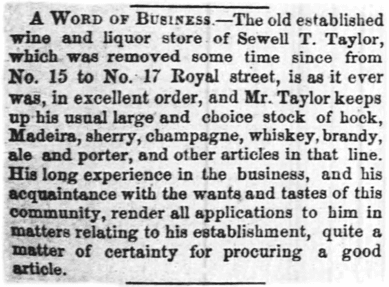
After Aaron Bird’s death, J.B. Schiller, a local importer of Sazerac de Forge Et fils brandy, takes over as proprietor of the Sazerac House. He expands the footprint of the property to include the building next door at 11 Exchange Place and uses it as a stockroom. That same year Schiller hires Thomas H. Handy as a clerk at the Sazerac House.
1869
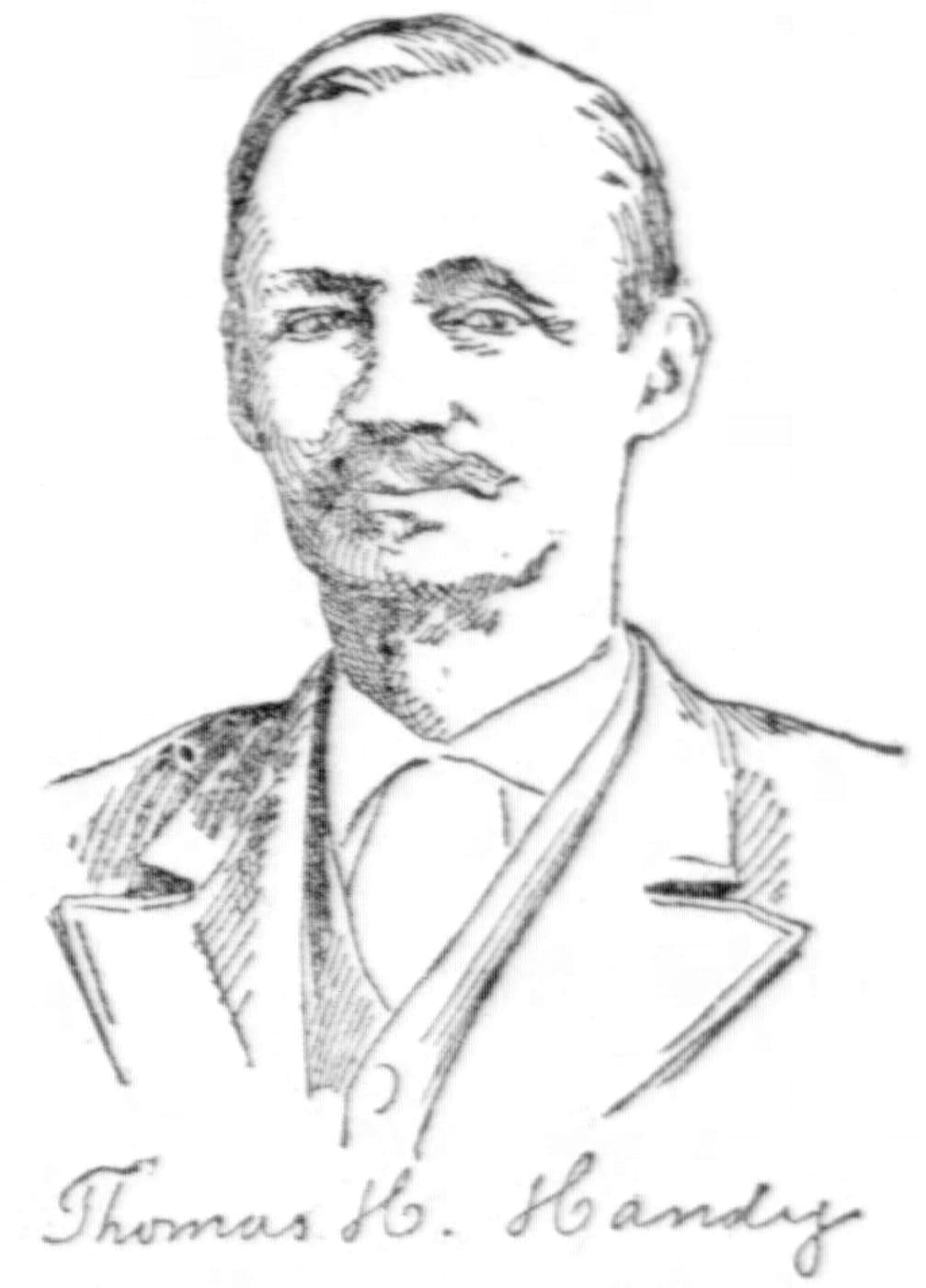
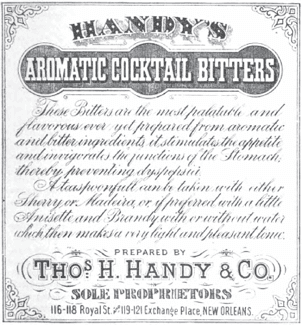
Thomas H. Handy (1839-1893), who had been working at the Sazerac House since 1865, and several other employees from Thos. H. Handy & Co. buy the Sazerac House from Schiller who was in bad health and passed away shortly after.
1873
Thomas H. Handy announces it is the sole agent in New Orleans for Sazerac de Forge et Fils brandies.
1878
After Handy loses his money in bad railroad investments, he is forced to dissolve Thos. H. Handy Co., though he maintains control of Peychaud’s bitters. Shortly after, Vincent Micas buys out Thomas Handy becoming the owner of the Sazerac House, the sole agent for Sazerac de Forge et Fils brandy and the owner of Peychaud’s Bitters. This begins a bitter battle between Handy and Micas for control of the Sazerac House and Peychaud’s bitters.
1882
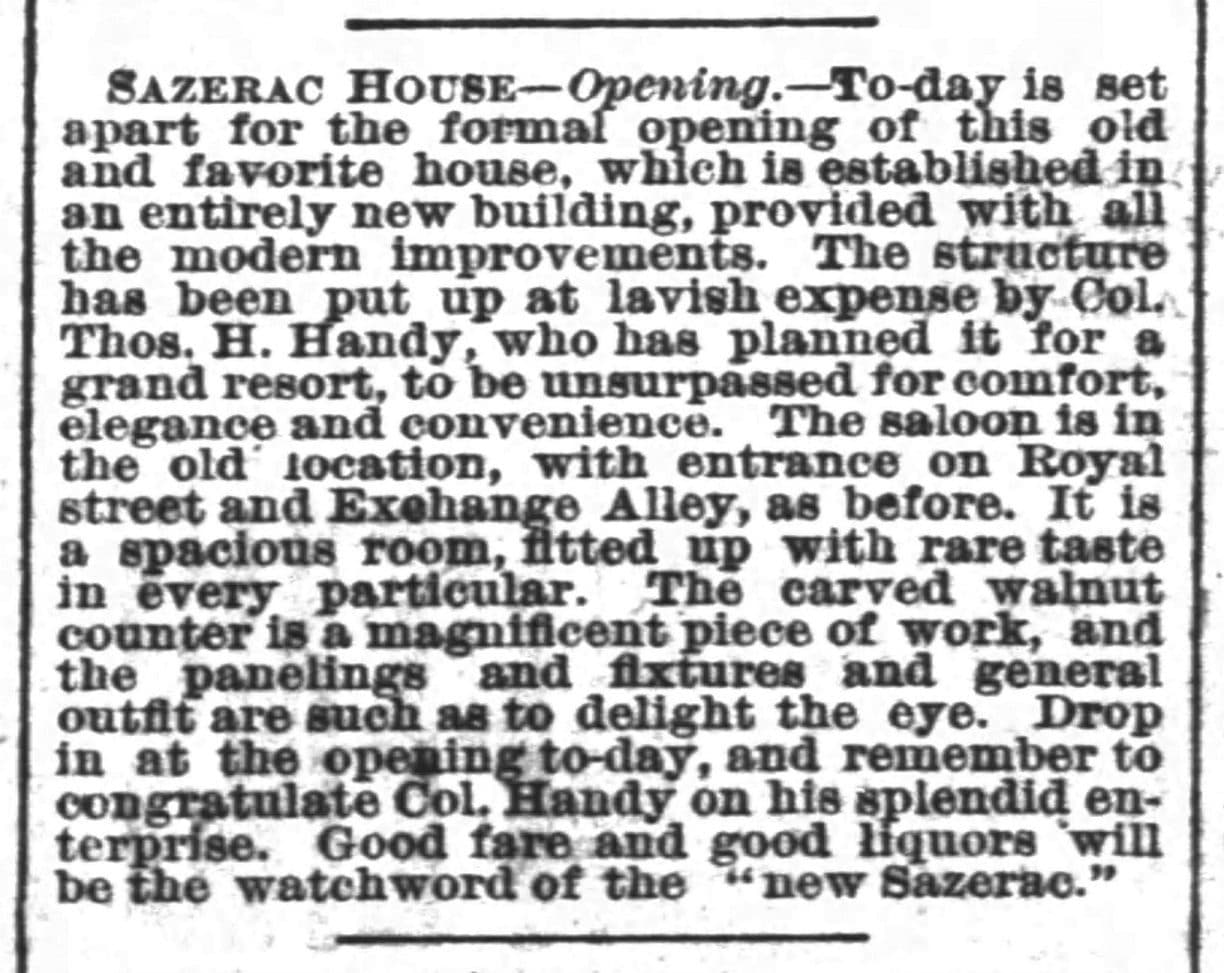
In March, Vincent Micas loses his lease of the Sazerac House and the building is demolished. He opens “the old Sazerac” bar room and liquor store at the intersection of Common and Camp streets. In October of the same year, Thomas Handy rebuilds and reopens the Sazerac House at its original location on Exchange Place to much fanfare.
1884
Experiencing financial difficulties, Micas sells his Sazerac saloon and liquor store along with the rights to Peychaud’s Bitters to an employee, Theodore Baumann, and moves to Bordeaux, France, ending his years’ long competition with Thomas H. Handy.
1885
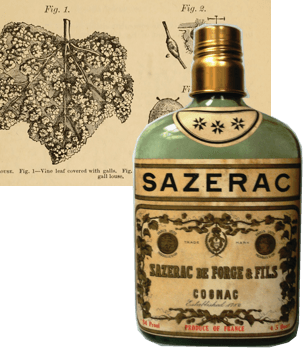
Affected by the phylloxera outbreak in French vineyards, brandy and cognac are in short supply; New Orleans bartenders begin to make the Sazerac Cocktail with American Rye Whiskey to replace the brandy.
1893
After Thomas H. Handy passes away, William McQuoid, a financial backer of the Sazerac House since 1880, reestablishes Thos. H. Handy & Co.
1895
The term Sazerac becomes commonplace in the US, according to a trademark application dating to 1900.
1900 to 1950
New Orleans
Prohibition Stirs Things Up
1901
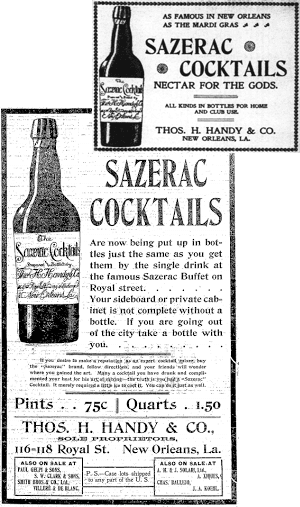
Thomas H. Handy & Co. begins national marketing of its many versions of a bottled Sazerac Cocktail.
1919
The 18th Amendment calling for Prohibition is ratified in January 1919 and takes effect in January 1920. Realizing the impending threat of Prohibition, the Thomas H. Handy & Co. Inc. reincorporates as the Sazerac Company, Inc. with plans to manufacture, buy and sell groceries, candy, soft drinks, dairy products and to operate restaurants. Only a deli and a French restaurant are known to have materialized.
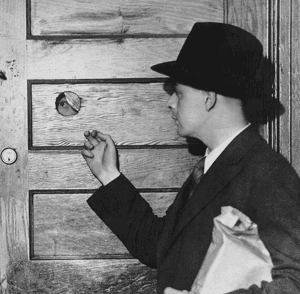
1933
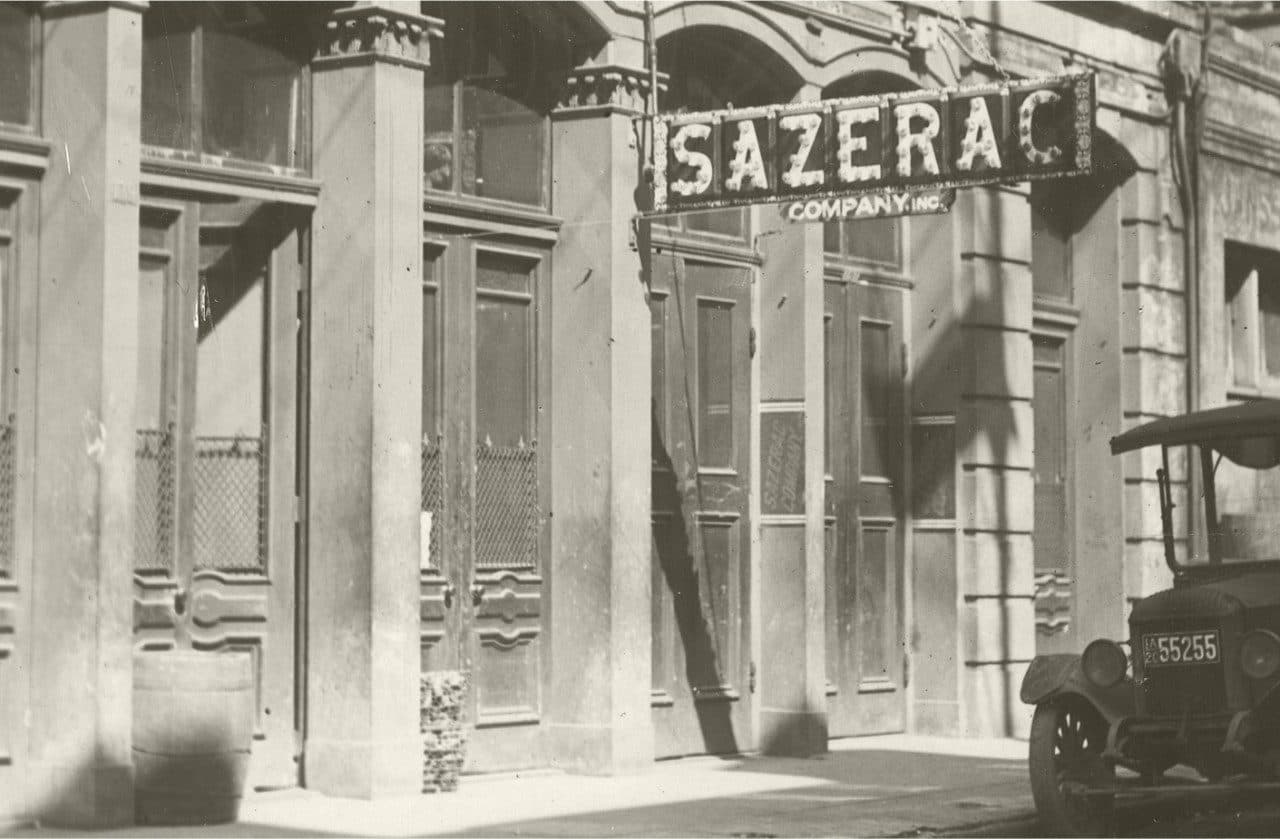
Prohibition is repealed. In December, the Sazerac Company gets back in the liquor business by opening a bar and lunchroom, a wholesale and retail headquarters, and a manufacturing and bottling facility in New Orleans. The Company also renews its trademark for the Sazerac Cocktail and begins producing and bottling it in their new facilities.
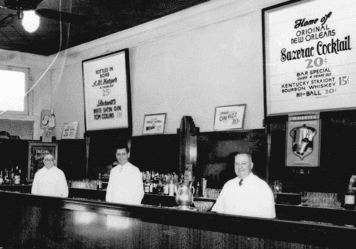
1935-1940
In addition to producing the Sazerac Cocktail, the Sazerac Company gradually becomes the southern distributor for a variety of alcoholic products and obtains a rectifier’s license to begin a business blending and bottling liquor for private clients.
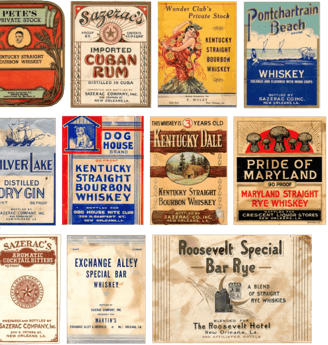
1940
An ad campaign is launched for the “Famous Sazerac Cocktail” available only at the Sazerac Bar at 300 Carondelet Street. The campaign runs until 1944.
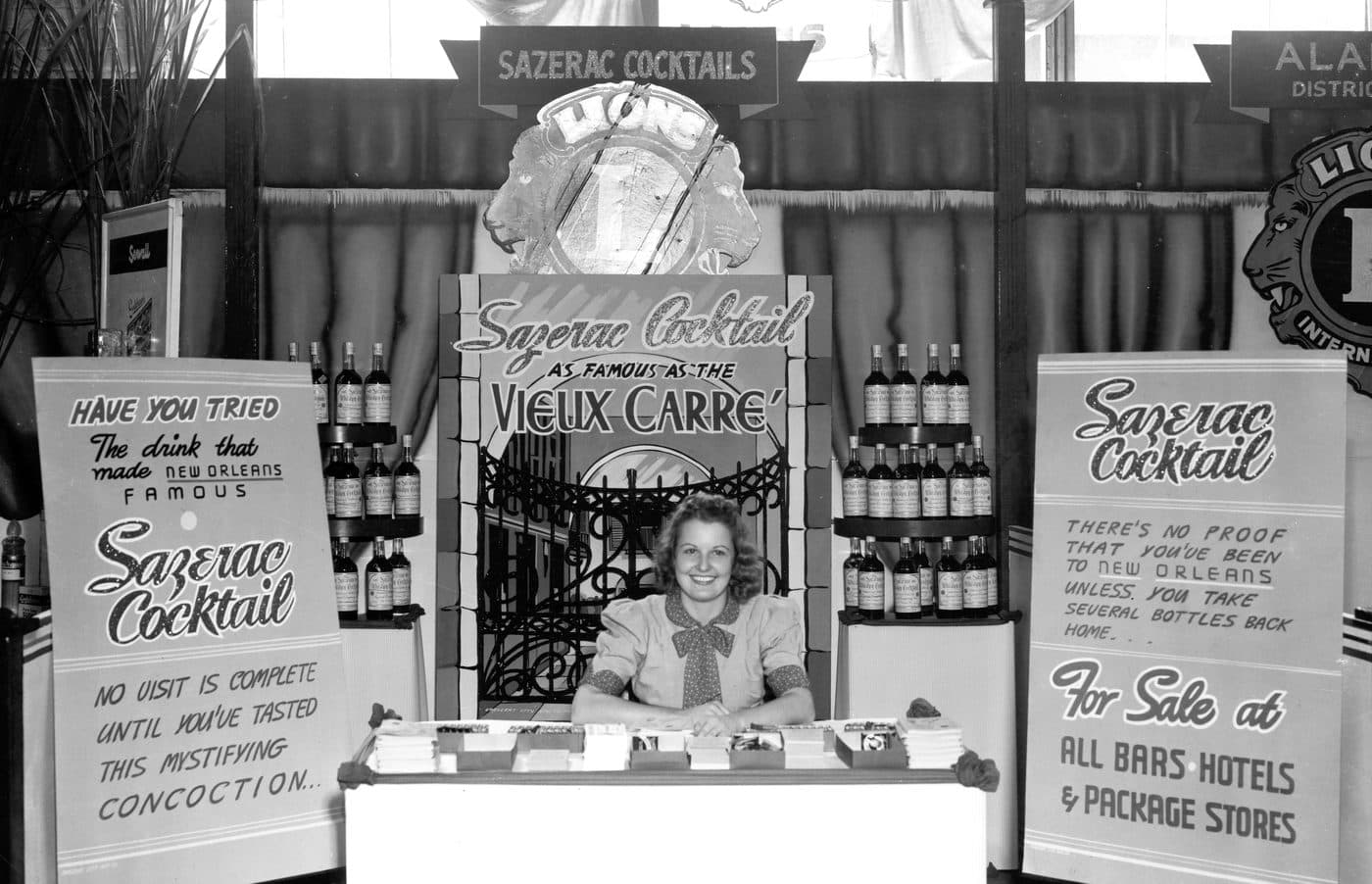
1948
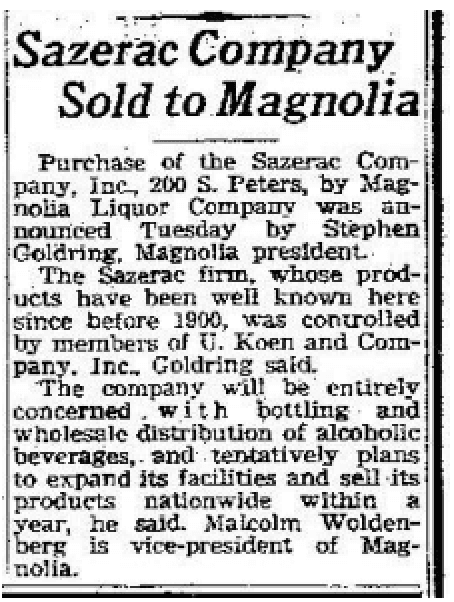
The Magnolia Liquor Co. Inc. owned by Malcolm Woldenberg (1896-1982) and Stephen Goldring (1908-1997), acquires the Sazerac Co. Inc.
1949
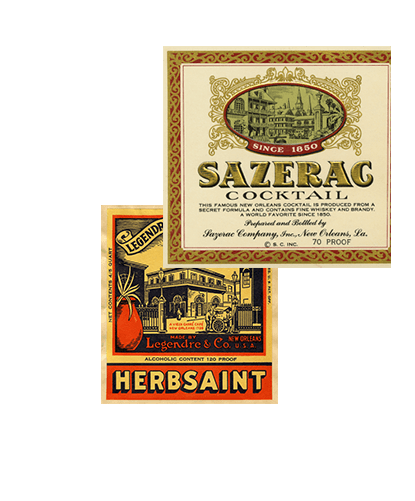
Sazerac obtains a copyright for the “Sazerac Cocktail Label” and purchases Herbsaint from J. Marion Legendre. The Sazerac Bar on Carondelet Street closes and a new Sazerac Bar is opened on Baronne Street at the Roosevelt Hotel.
1950 to 2000
20th Century Growth and Expansion
Sazerac starts a new era of growth
1952
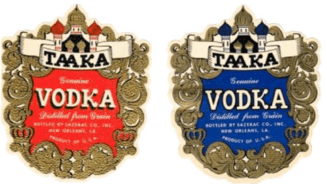
Sazerac launches Taaka vodka, one of the first vodkas to be sold in the U.S., which then goes on to become one of Sazerac’s most successful brands.
1970
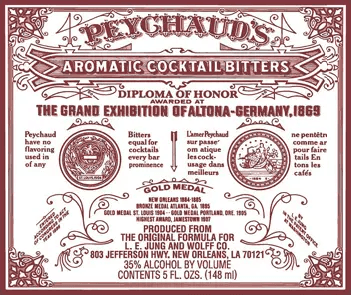
Sazerac re-acquires Peychaud’s Bitters from L.E. Jung & Wulff Co., regaining the rights to the brand once briefly owned and controlled by Thomas H. Handy.
1989
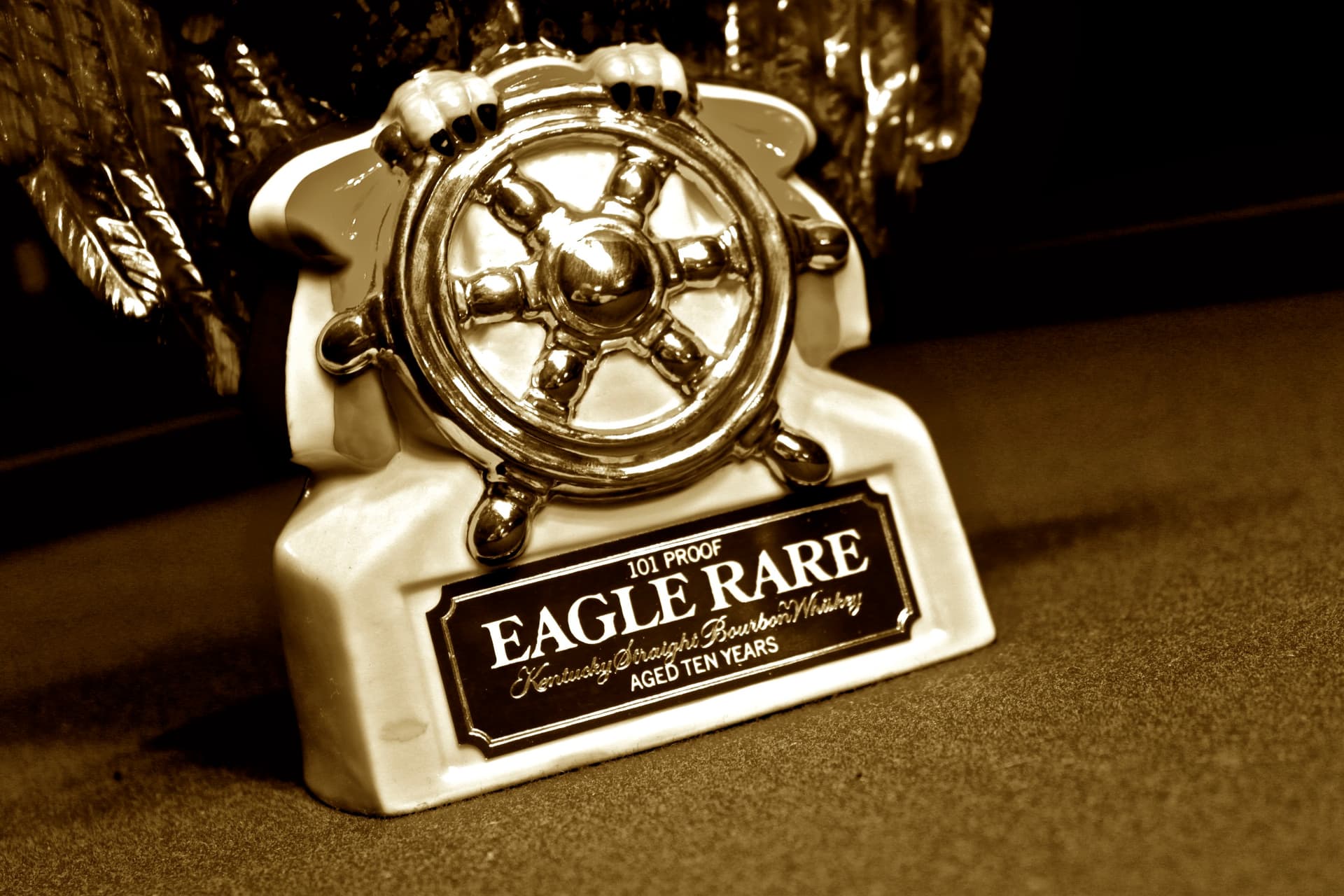
Seven brands are purchased from Joseph E. Seagram & Sons, Ltd. Benchmark Bourbon, Eagle Rare Bourbon, Carstairs Whiskey, James Foxe Canadian Whiskey, Crown Russe Vodka, Nikolai Vodka, and Dr. McGillicuddy’s Schnapps.
1992
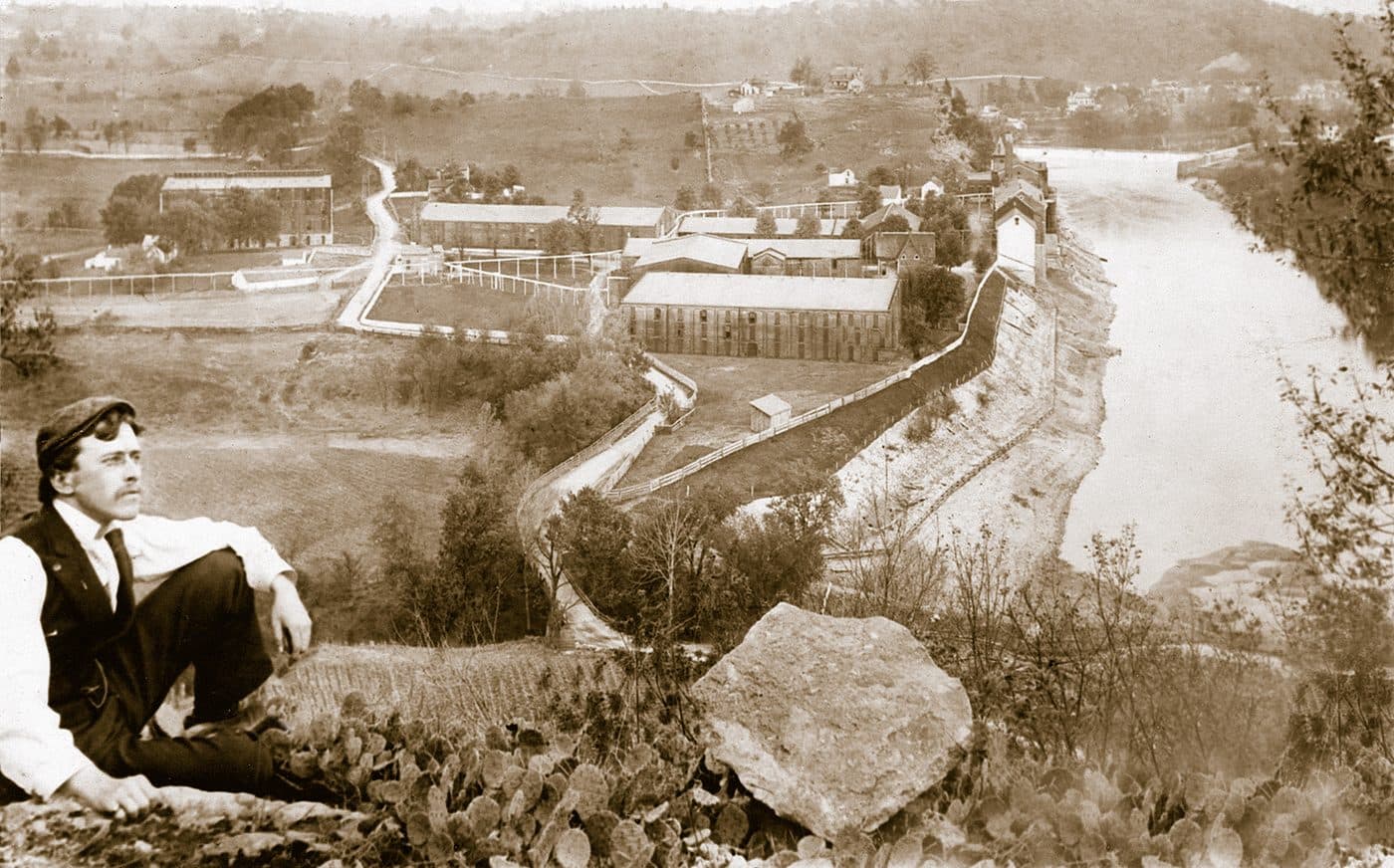
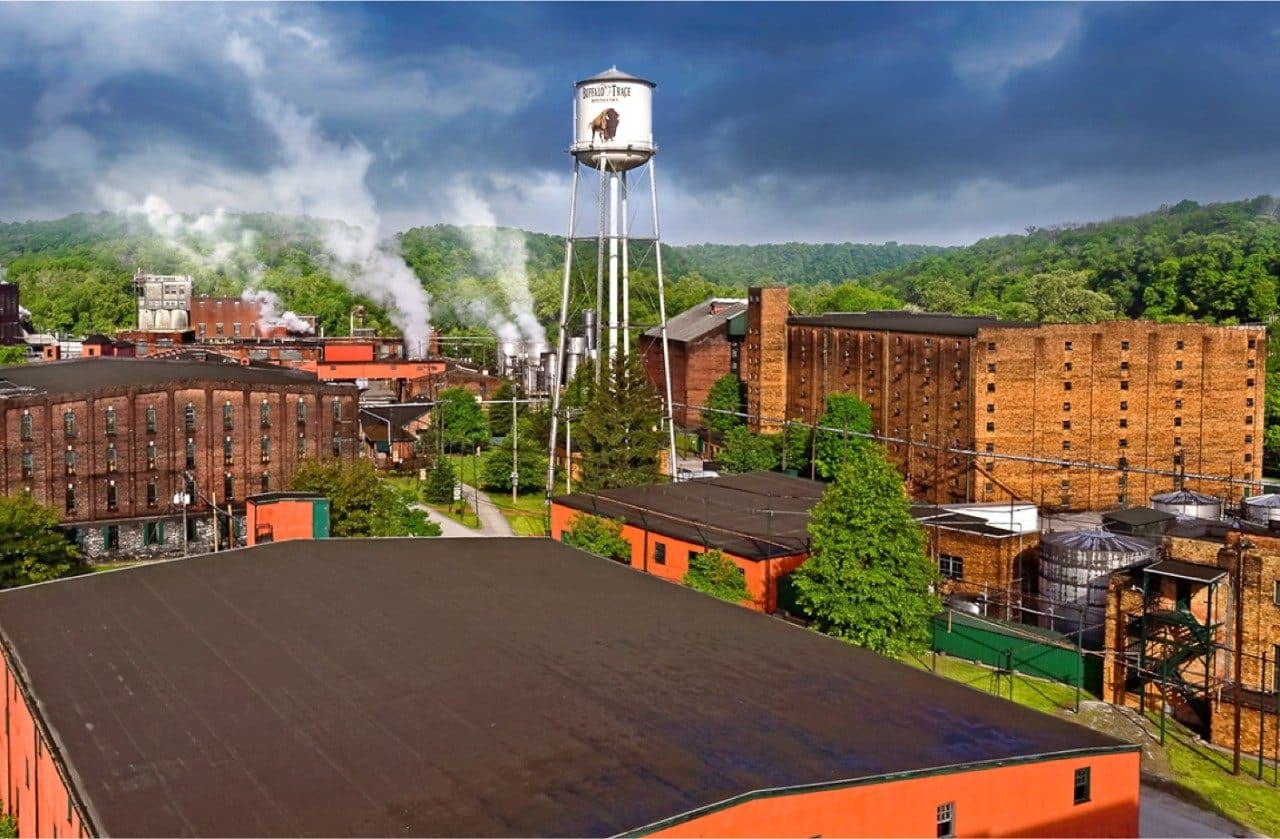
The Sazerac Company and Takara Shuzo, Inc. reach an agreement by which Sazerac acquires the Leestown Co. and the George T. Stagg Distillery in Frankfort, Kentucky. The distillery boasts acres of scenic land on the Kentucky River and historic warehouses and production buildings dating back to the late-1700s.
1999
After years of restoration, the George T. Stagg Distillery is rechristened the Buffalo Trace Distillery and its flagship bourbon, Buffalo Trace Bourbon, is launched.
2000 to 2026
Global
Sazerac comes full circle
2002
Buffalo Trace Distillery partners with Old Rip Van Winkle to produce their line of premium Van Winkle Bourbons using a recipe to the Van Winkle family specifications.
2003
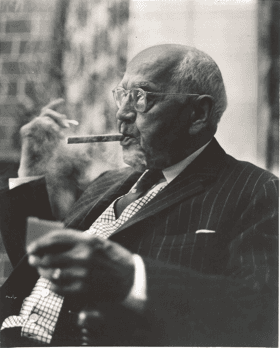
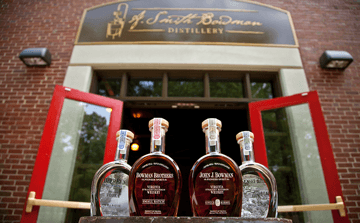
Sazerac purchases the A. Smith Bowman Distillery in Fredericksburg, Virginia.
2006
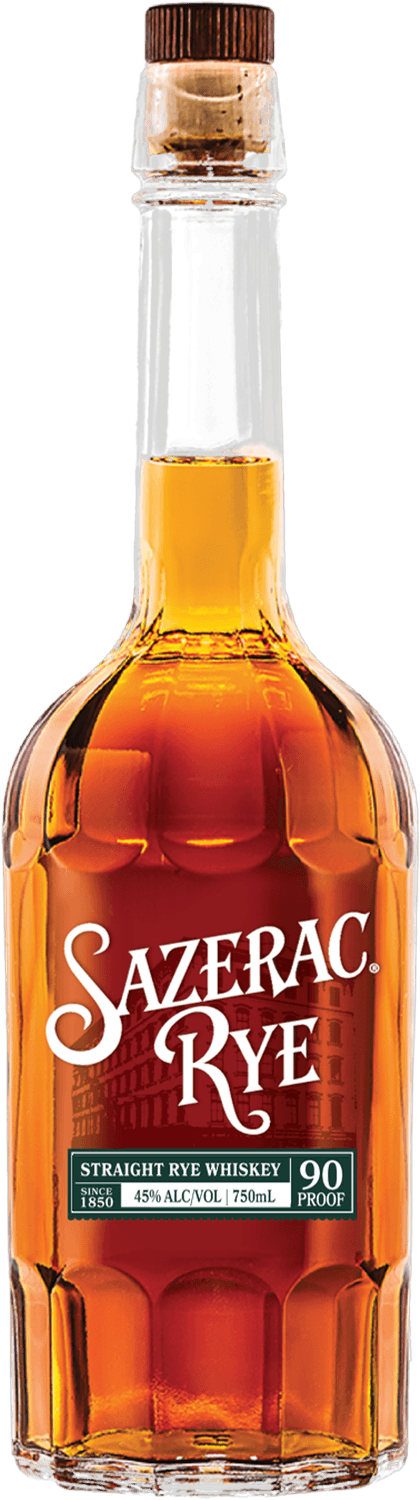
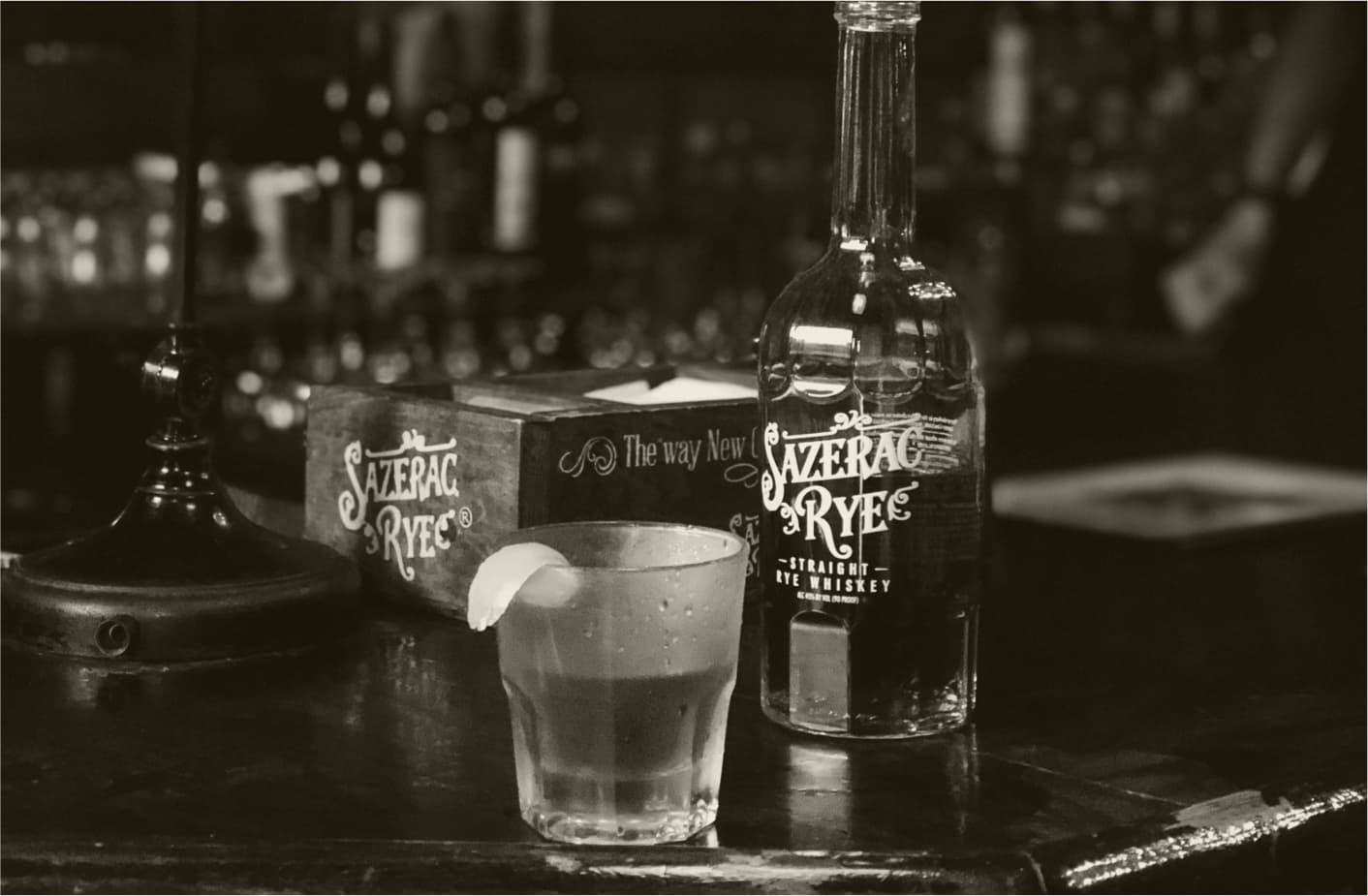
Sazerac Rye Whiskey brand is launched in packaging that reflects the original 1880s bottle and is the perfect rye for the Sazerac cocktail.
2009
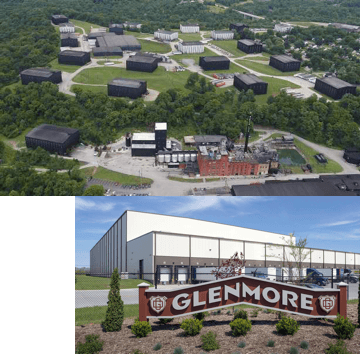
Sazerac completes acquisition of brands and facilities from Constellation Brands Inc. including two facilities in Kentucky, The Glenmore Distillery in Owensboro and the Barton 1792 Distillery in Bardstown.
2011
Sazerac du Canada (Old Montreal Distillery) joins the Sazerac family.
2016
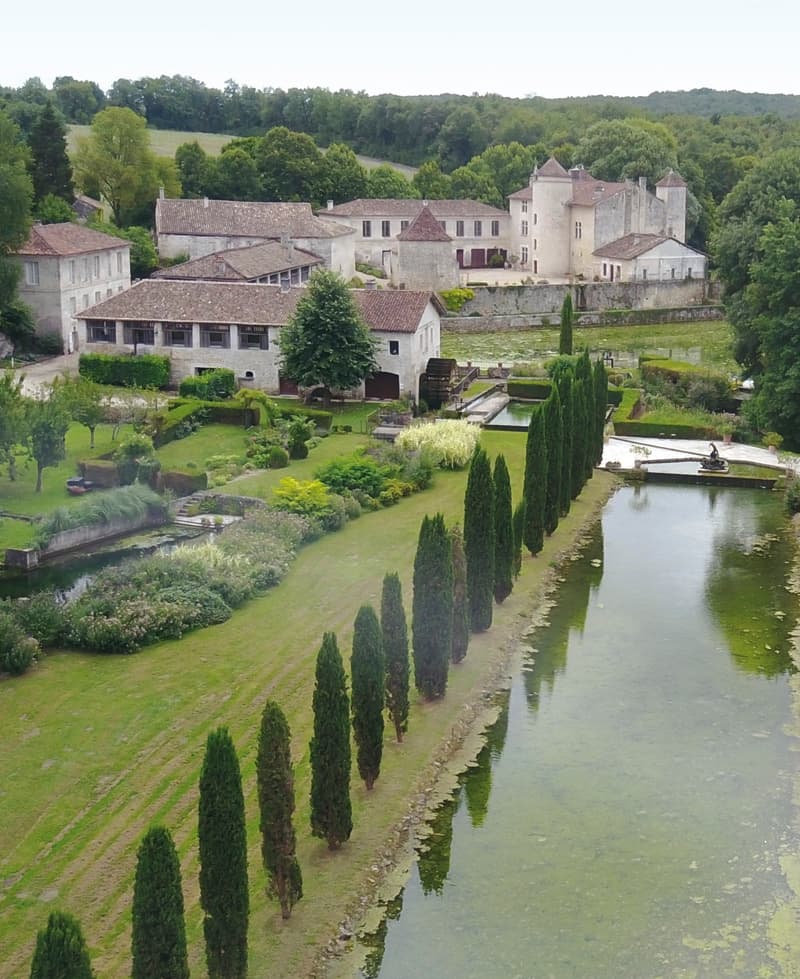
Returning to its roots in France, the Sazerac Company purchases Breuil de Segonzac, a French Cognac distillery, reconnecting with its early history with Sazerac de Forge et Fils brandy and Cognac.
2016
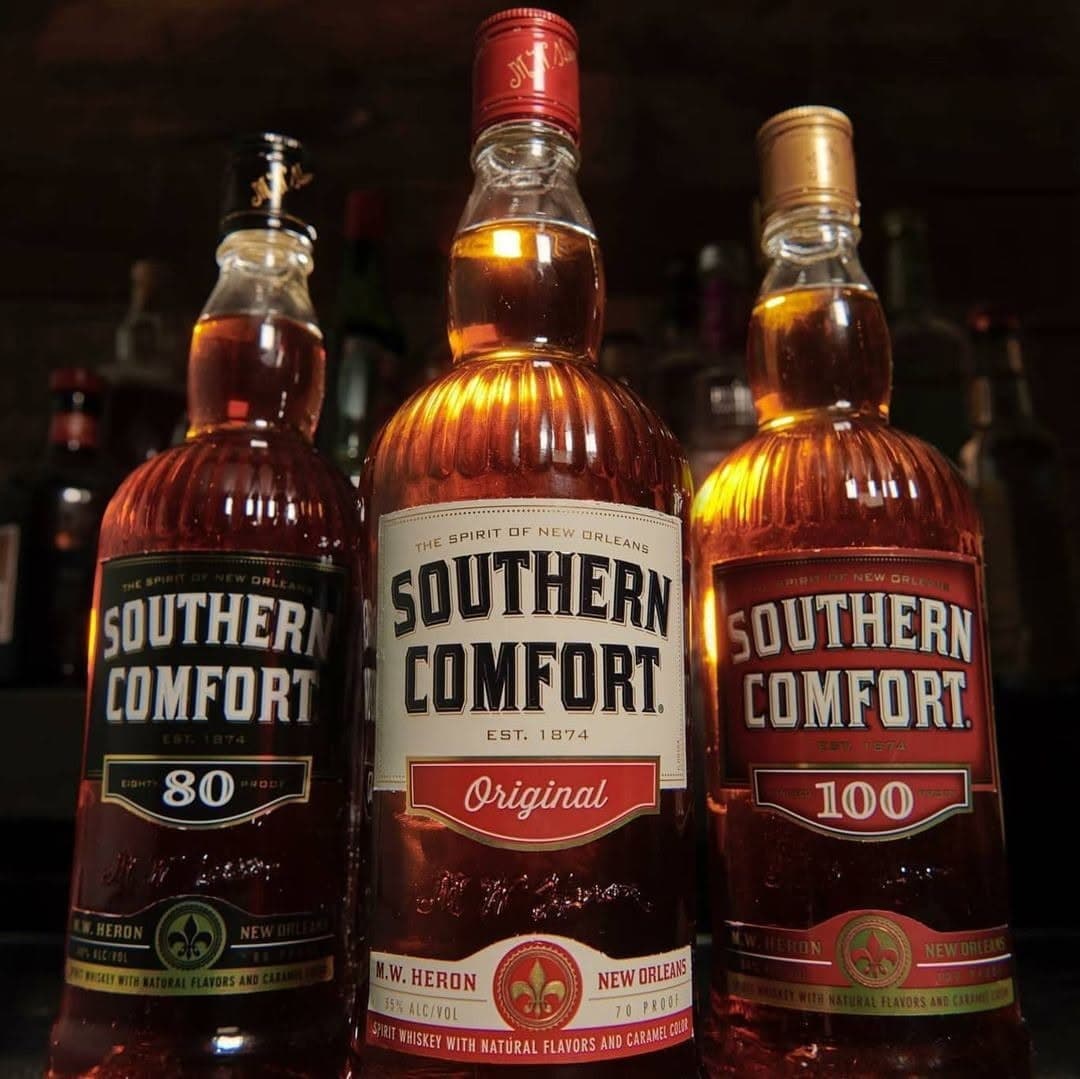
The purchase of Southern Comfort brought the brand back to its Southern roots and restored the New Orleans connection.
2017
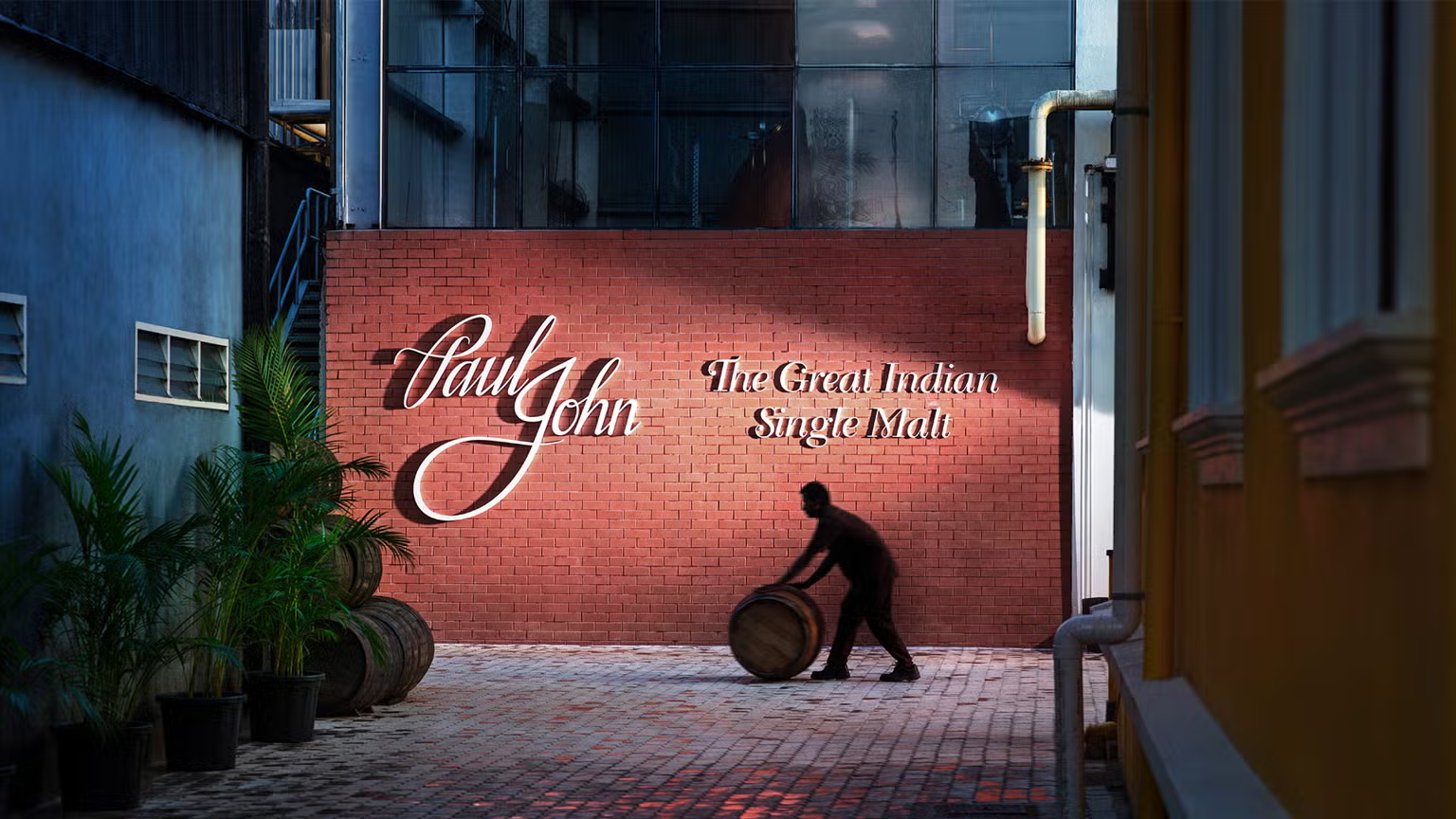
Sazerac acquires a shareholding in John Distilleries, the Bangalore-based producer of Paul John Indian single malt whisky, marking the company’s entry into the Indian whisky market.
2018
For the first time in decades, Canadian whisky is distilled in Montreal at Sazerac’s Old Montreal Distillery. The Sazerac Company also closes the year with the purchase of 19 brands from Diageo.
2019
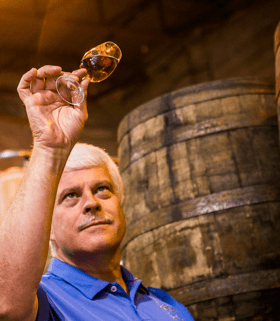
The Sazerac House, a 5-story interactive visitor center, opens in the French Quarter in New Orleans, a mere 400 yards from the site of the original Sazerac House.
2022
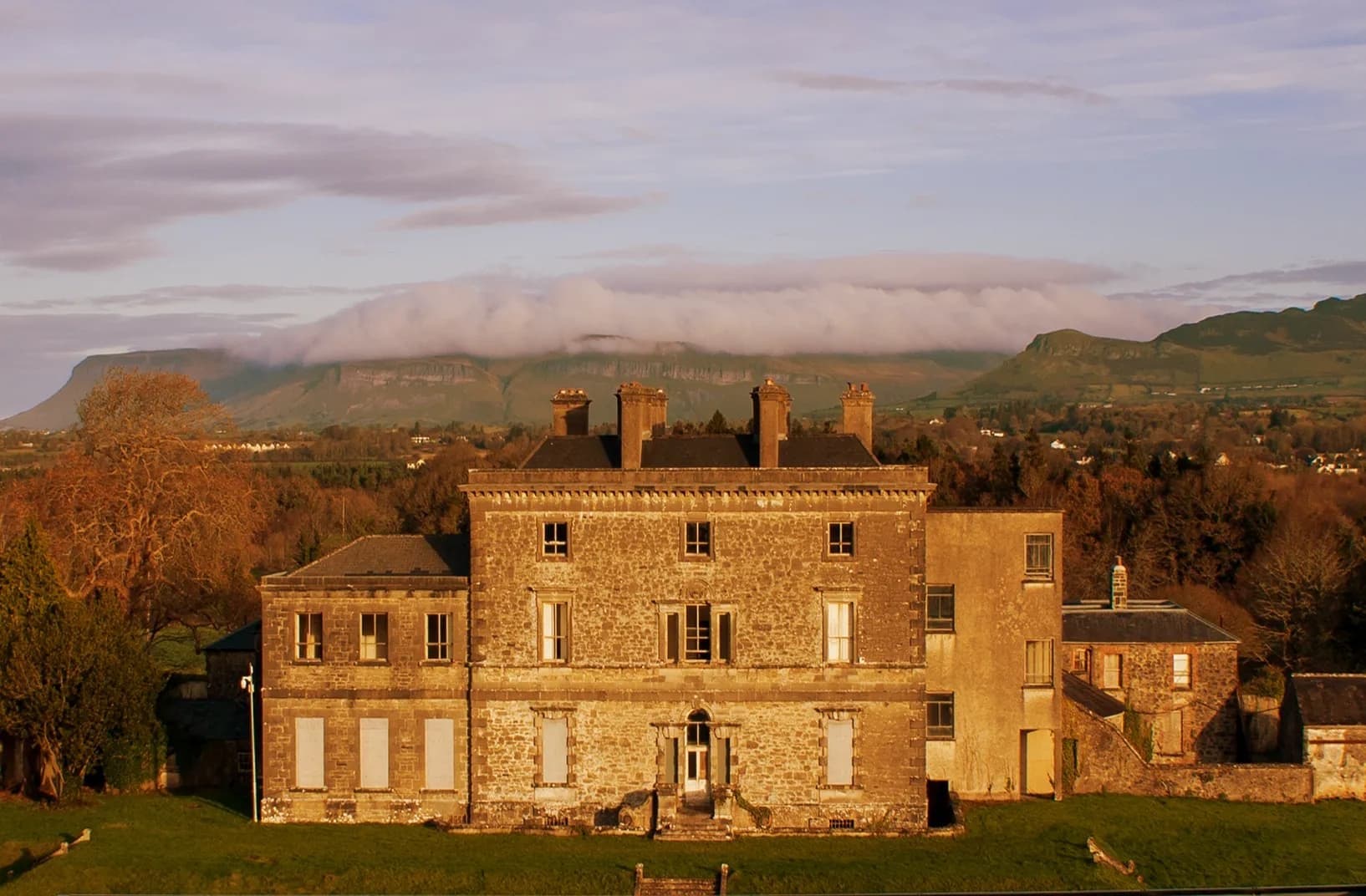
The Sazerac Company begins a new chapter at the Hazelwood Estate in County Sligo, in the west of Ireland, in the shadow of Hazelwood House, an 18th century Palladian mansion. The distillery is renamed Hawk’s Rock Distillery in 2025.
2024
Sazerac completes its acquisition of BuzzBallz, the Texas ready-to-drink business founded by Merrilee Kick.
2025
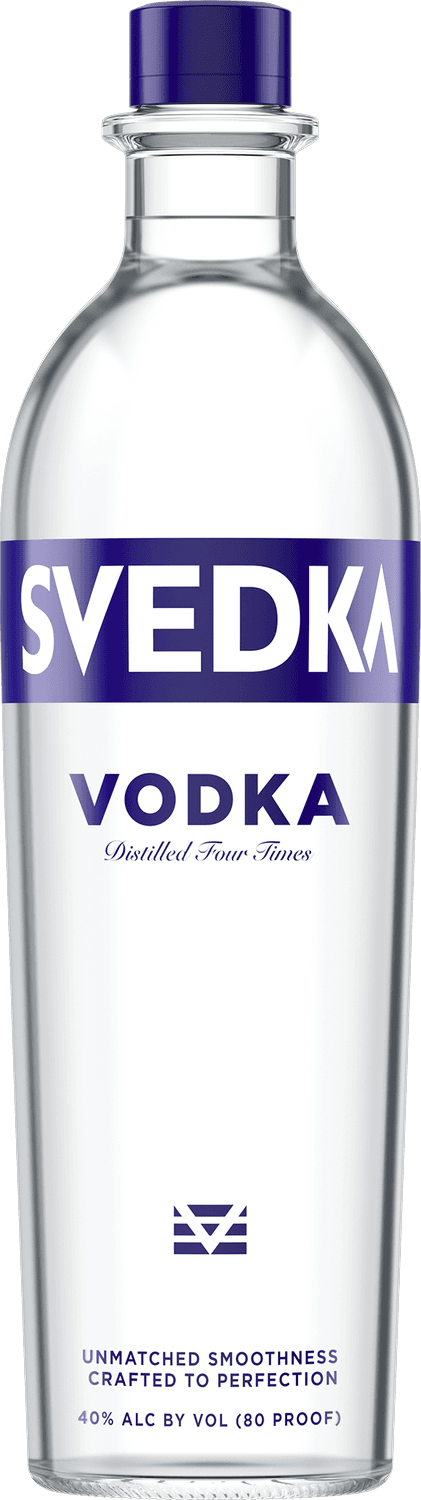
Sazerac completes its acquisition of Svedka Vodka from Constellation Brands.
2025
Sazerac acquires Western Son Vodka and its distillery in Pilot Point, Texas. Founded in 2011, Western Son distills its vodka ten times from 100 percent American corn, and the Pilot Point facility adds production capacity to the Sazerac network.
2026
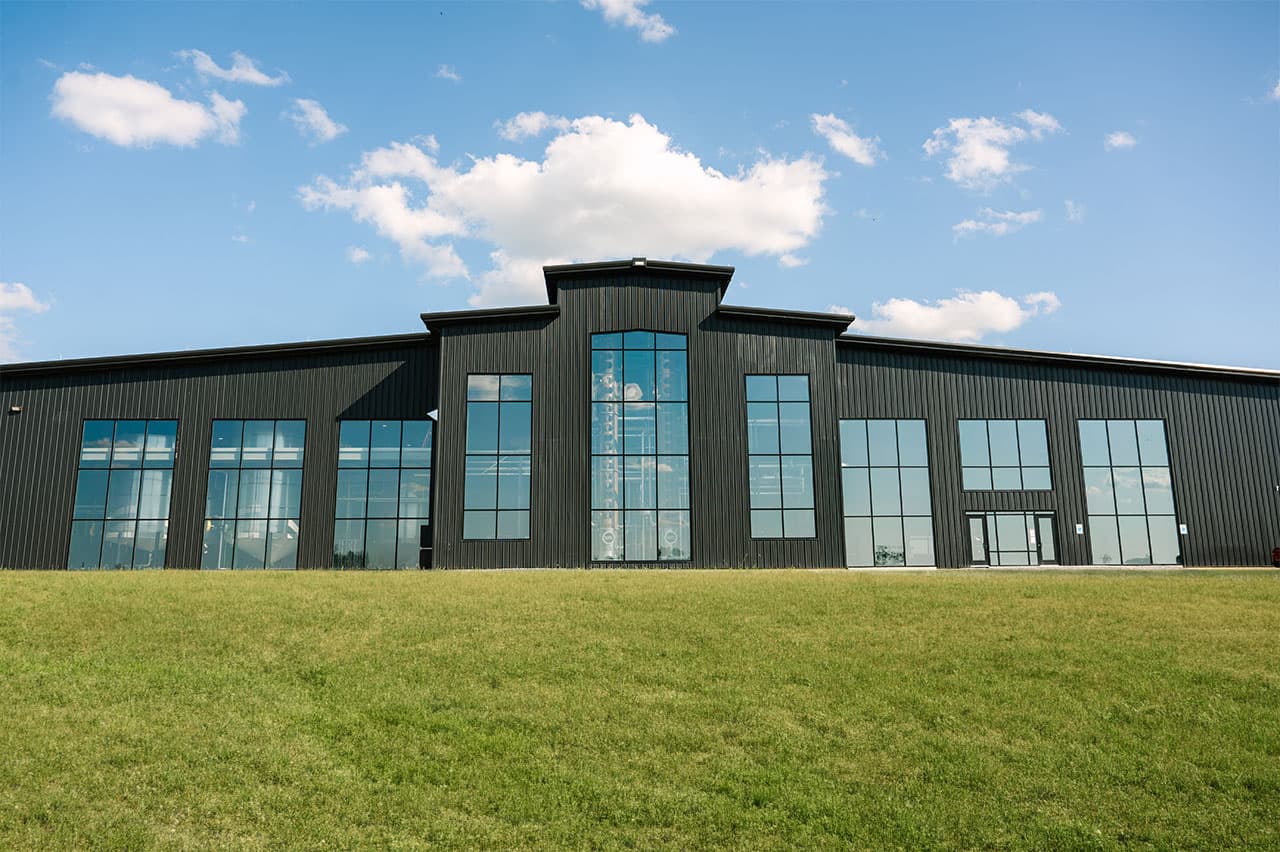
Sazerac completes its acquisition of Garrard County Distilling in Lancaster, Kentucky. Opened in 2024, the 210-acre site adds two column stills and barrel aging warehouses to the company’s Kentucky production.
2026
Sazerac completes its acquisition of Au Vodka, the Welsh vodka brand known for its gold bottle. Founded in Swansea in 2015 by Charlie Morgan and Jackson Quinn, Au Vodka continues to operate from its home in Wales.
Today
Global
Sazerac Today
2026
Today Sazerac operates 18 distilling and bottling facilities worldwide, with 8,000 team members and a portfolio of more than 525 brands.
- #1Fastest-growing spirits company in the world
- 1850Founded in USA
- 18Distilling and bottling facilities worldwide
- 8,000Team members
- 525+Brands
- $6BN+Annual net sales
- +18%Net sales CAGR (Since 2007)
- #1 in U.S.Volume (2025) and Value (YTD 2026)
A diversified portfolio of
established and young
brands built for growth
Spanning occasions and price points, Sazerac’s portfolio serves the consumer across major categories, including whiskey, RTDs, tequila and small format.
Our brands are highly complementary, delivering growth and resilience across economic cycles and over generations.